
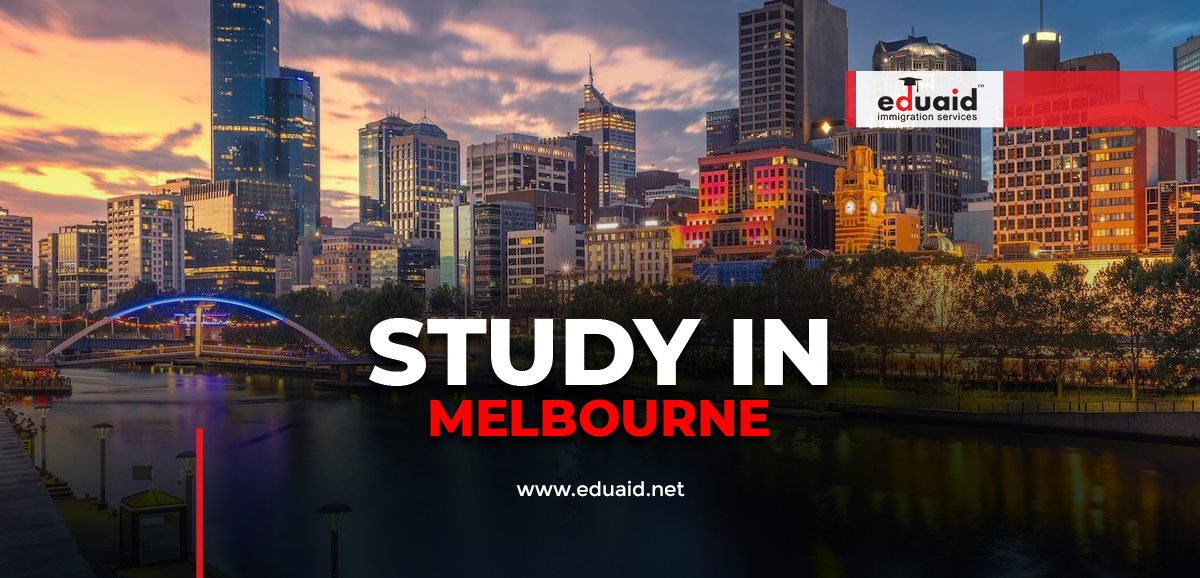
If you’re planning to study in Melbourne, you’re choosing one of Australia’s most vibrant and student-friendly cities. Home to globally ranked universities, a multicultural community, excellent public transport, and outstanding career opportunities, Melbourne is among the world’s best destinations for international students.
Whether you’re looking for a bachelor’s degree, a master’s program, vocational education, or research opportunities, Melbourne offers access to world-class education and an exciting lifestyle.
This guide explains everything you need to know about study in Melbourne, including top universities, admission requirements, tuition fees, living expenses, student life, work opportunities, and more.
Why Study in Melbourne?
Every year, thousands of students from around the world choose to study in Melbourne for its high-quality education, diverse culture, and excellent quality of life.
World-Class Universities
Melbourne is home to several universities ranked among the world’s best. These institutions offer internationally recognised degrees across a wide range of disciplines, including business, engineering, health sciences, information technology, education, and creative arts.
Many universities also have strong partnerships with industries, allowing students to gain practical experience through internships, placements, and research projects.
A Multicultural Student City
One of the biggest advantages of choosing to study in Melbourne is its multicultural environment. Students from more than 170 countries live and study here, creating an inclusive community where international students can quickly feel at home.
The city also offers:
- Safe neighbourhoods
- Reliable public transport
- Excellent healthcare
- Vibrant arts and culture
- Countless restaurants and cafes
- Sporting events throughout the year
Strong Employment Opportunities
Students who study in Melbourne benefit from close connections between universities and employers. Many institutions organise career fairs, networking events, and internship programs that help graduates transition into the workforce.
Melbourne is also Australia’s financial, technology, healthcare, education, and creative industry hub, offering graduates a wide variety of career opportunities.
Best Universities to Study in Melbourne
Melbourne has some of Australia’s most prestigious universities.
| University | Popular Study Areas |
| University of Melbourne | Medicine, Business, Law, Engineering |
| Monash University | Pharmacy, IT, Engineering, Business |
| RMIT University | Design, Architecture, Technology |
| Deakin University | Health, Education, Business |
| La Trobe University | Nursing, Psychology, Public Health |
| Victoria University | Sports Science, Business, Hospitality |
| Swinburne University of Technology | Engineering, Aviation, Computer Science |
Each university offers modern campuses, extensive research facilities, industry collaborations, and comprehensive support services for international students.
When deciding where to study in Melbourne, consider factors such as course content, tuition fees, campus location, graduate outcomes, and scholarship opportunities.
Popular Courses to Study in Melbourne
Melbourne offers hundreds of programs across different education sectors. Some of the most popular courses are given below.
Business and Management
Business remains one of the most sought-after fields among international students. Specialisations include:
- Marketing
- Finance
- International Business
- Human Resource Management
- Project Management
Information Technology
Australia’s growing technology sector has increased demand for graduates in:
- Cybersecurity
- Artificial Intelligence
- Software Engineering
- Cloud Computing
- Data Science
Engineering
Students who study in Melbourne can pursue engineering specialisations such as:
- Civil Engineering
- Mechanical Engineering
- Electrical Engineering
- Environmental Engineering
- Mechatronics
Health Sciences
Melbourne has an internationally respected healthcare sector, making it an ideal destination for students pursuing:
- Nursing
- Public Health
- Physiotherapy
- Medical Laboratory Science
- Occupational Therapy
Education
Many international students choose Melbourne for teacher education programs, including early childhood, primary, and secondary education.
Hospitality and Tourism
Melbourne’s thriving hospitality industry provides valuable practical learning opportunities in:
- Hotel Management
- Tourism Management
- Culinary Arts
- Event Management
Admission Requirements to Study in Melbourne
Admission requirements vary between universities and courses. However, most institutions require the following.
Academic Qualifications
Applicants generally need to provide:
- Academic transcripts
- Graduation certificates
- Relevant prerequisite subjects
- Minimum GPA requirements (depending on the institution)
English Language Requirements
International students usually need to demonstrate English proficiency through one of the following:
- IELTS
- PTE Academic
- TOEFL iBT
- Cambridge English
The required score depends on the university and program.
Supporting Documents
When applying to study in Melbourne, students may need:
- Valid passport
- Academic transcripts
- Resume or CV (for some programs)
- English test results
- Financial documents
Always review the specific admission requirements published by your chosen university.
Student Visa Requirements
International students generally need an Australian Student Visa (Subclass 500) to study in Melbourne. To apply, applicants typically require:
- Confirmation of Enrolment (CoE)
- Genuine Student (GS) evidence
- Overseas Student Health Cover (OSHC)
- Proof of financial capacity
- English language evidence
- Valid passport
Cost of Studying in Melbourne
Understanding your budget is an important part of planning to study in Melbourne.
Tuition Fees
Annual tuition fees vary depending on the institution and course. Approximate yearly tuition:
- Vocational courses: AUD 8,000–20,000
- Undergraduate degrees: AUD 25,000–45,000
- Postgraduate degrees: AUD 30,000–55,000
Programs such as medicine, dentistry, and veterinary science generally have higher tuition fees.
Living Expenses
Melbourne offers an excellent quality of life, although living costs can vary depending on your lifestyle and accommodation choices. Typical annual living expenses include:
- Accommodation
- Food and groceries
- Utilities
- Public transport
- Internet and mobile services
- Health insurance
- Personal expenses
International students should prepare a realistic financial plan before arriving in Australia.
Student Accommodation in Melbourne
Finding suitable accommodation is an important part of planning to study in Melbourne. Fortunately, the city offers a variety of housing options to suit different budgets and lifestyles.
On-Campus Accommodation
Many universities provide purpose-built student accommodation close to classrooms, libraries, and campus facilities. This option is particularly popular among first-year international students because it offers convenience and a strong sense of community.
Shared Rental Housing
Sharing an apartment or house with other students is one of the most affordable ways to live while studying in Melbourne. It allows students to reduce accommodation costs while enjoying greater independence.
Private Student Apartments
Purpose-built student accommodation offers furnished rooms, study areas, gyms, security, and communal facilities. These properties are designed specifically for university students and are often located near major campuses.
Homestay
Living with an Australian family can help international students improve their English, experience local culture, and adjust more comfortably to life in Australia.
When selecting accommodation, consider:
- Distance from campus
- Public transport access
- Weekly rent
- Safety
- Included utilities
- Internet availability
Planning your accommodation before arriving will make your transition to study in Melbourne much smoother.
Student Life in Melbourne
Student life is one of the biggest reasons why thousands of international students choose to study in Melbourne every year. Melbourne offers an exciting balance between academic excellence and lifestyle. The city is known for its welcoming atmosphere, diverse communities, vibrant arts scene, and excellent public services.
International students can enjoy:
- Beautiful parks and gardens
- World-famous cafés
- Museums and art galleries
- International sporting events
- Music festivals
- Shopping precincts
- Beaches within easy reach
- Weekend road trips along the Great Ocean Road
Melbourne’s extensive tram, train, and bus network makes travelling around the city easy and convenient. Students can also access libraries, study spaces, fitness centres, and student clubs that enrich university life beyond the classroom.
The city’s multicultural environment means students can easily find communities, cultural associations, and familiar cuisines from around the world, helping them feel at home while they study in Melbourne.
Career Opportunities After Graduation
A major advantage of choosing to study in Melbourne is the opportunity to build a long-term career in Australia. Graduates from Melbourne’s universities are highly regarded by employers across Australia and internationally. Many universities have dedicated career centres that connect students with internships, graduate programs, networking events, and industry partners.
Growing industries include:
- Healthcare
- Information Technology
- Engineering
- Education
- Finance
- Construction
- Cybersecurity
- Artificial Intelligence
- Business Services
Tips Before Moving to Melbourne
Preparing well before departure can make your experience much more enjoyable. If you plan to study in Melbourne, consider the following tips:
- Accept your university offer early.
- Arrange accommodation before arriving.
- Purchase Overseas Student Health Cover (OSHC).
- Prepare a realistic monthly budget.
- Carry certified copies of important documents.
- Open an Australian bank account after arrival.
- Apply for a Tax File Number (TFN) if you plan to work.
- Attend your university orientation program.
- Familiarise yourself with Melbourne’s public transport system.
- Join student clubs to build friendships and professional networks.
Being organised before you arrive will help you settle into your new environment with confidence.
Also read: Study in Australia in 2026: Complete Guide for International Students
Frequently Asked Questions
Is Melbourne a good city for international students?
Yes. Melbourne is consistently recognised as one of the world’s leading student cities due to its high-quality universities, multicultural community, excellent public transport, and strong employment opportunities.
How much does it cost to study in Melbourne?
Tuition fees vary depending on the university and program. Students should also budget for accommodation, food, transport, health insurance, and other living expenses.
Can international students work while studying?
Eligible international students can generally work while studying, subject to the conditions of their Australian student visa.
Which university is best in Melbourne?
The University of Melbourne, Monash University, RMIT University, Deakin University, La Trobe University, Swinburne University of Technology, and Victoria University are among the city’s leading institutions. The best choice depends on your academic goals, preferred course, and budget.
Is Melbourne expensive for international students?
Melbourne has a relatively higher cost of living than some other Australian cities. However, careful budgeting, part-time employment, and scholarship opportunities can help students manage their expenses.
Can I stay in Australia after graduation?
Some graduates may be eligible for post-study work opportunities depending on their qualifications and the Australian Government’s visa requirements in effect at the time of application.
Final Thoughts
Choosing to study in Melbourne is about much more than earning a degree. It is an opportunity to gain a globally recognised education, experience one of Australia’s most liveable cities, and develop the skills needed for an international career.
Before making your final decision, research your preferred universities, compare courses, understand the admission requirements, and prepare a realistic financial plan. Careful planning today can help you make the most of your study journey tomorrow.
Want to Study in Melbourne?
At eduaid, our experienced education counsellors and registered migration agents can help you choose the right university and prepare your application, guiding you through the student visa process. We focus on providing accurate, personalised advice so you can make informed decisions about your study abroad journey.
Book a consultation with eduaid today and take the first step towards achieving your education goals in Melbourne.